
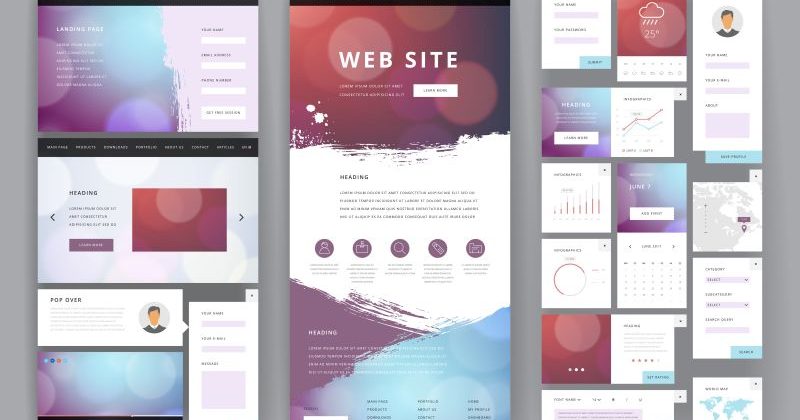
Successful website results are determined by several factors. The website structure must be easily understood by website visitors and assist them in understanding what your website is all about. The structure also allows visitors to travel easily through your website and find what they are looking for seamlessly and quickly. Experienced internet visitors know what they want and don’t have much patience for websites that are difficult to navigate. This difficulty makes them leave your website and then you have lost your opportunity to engage with them. This is the number one reason for not having successful website results. It’s hard enough to get internet users to come to your website. Why chase them away because of bad website structure that could easily be corrected?
Content and Successful Website Results
A well‑structured website is more than just a clean design and organized pages — it’s the backbone of how visitors experience your brand online. Having your site thoughtfully planned, every page has purpose, and every visitor can find what they need without frustration. Strong structure isn’t just about aesthetics; it directly impacts performance, search visibility, and conversions.
You want to guide users through your content, show them what’s most important, easily direct them to the next step, ultimately finding what they want. When the page layout makes sense and navigation is simple, visitors stay longer, they explore more, which builds trust in your business. This trust translates into higher engagement, stronger leads, and ultimately more sales.
What Search Engines Look For
Search engines strongly rely on website structure. A well‑organized site allows search engines, especially Google, to crawl your site, understand what you do, and rank your content. Search engines like clean URLs that clearly indicate the topic of the page. Clean URLs improve user experience, search engine optimization, and website maintenance, making them a fundamental aspect of modern web design and SEO strategy. Internal linking, and consistent formatting all contribute to better SEO performance.

Website structure will also affect speed and usability. When your layout is streamlined and properly optimized, your site loads faster. This is crucial in keeping your visitors from leaving. Mobile users especially benefit when the structure adapts smoothly across all devices. Mobile responsiveness is another feature specifically highly rated by Google and other search engines in website rankings.
Ultimately, strong website structure is about clarity, efficiency, and experience. It ensures your brand message is delivered with impact, your content is easy to access, and your visitors feel confident navigating your site. Investing in your website structure is investing in the results. Let Select Marketing help with your website. A well‑built website doesn’t just look good, it performs.
Updated June 2026



Select Mkt says
Yes, they are definitely additional key factors for success.
bitm says
Site speed, security signals, and modern UX aren’t “nice to haves”—they’re conversion multipliers. Fast + credible = revenue.